Ethical Tuna Collaboration
After a decade of investment in various improvement efforts, impact remains fragmented and forced labor remains a major systemic risk in tuna supply chains. The risks are greatest for workers on distant water fishing vessels. An intensive scoping process in 2025 identified a clear need to build on existing efforts that have assessed the risk of forced labor on tuna vessels. Now, there is an opportunity to focus on coordinated action to help address identified risk.
The Ethical Tuna Collaboration Working Group is designing an industry-wide initiative to engage buyers to help address forced labor at the vessel level. The initiative is focusing on four near-term priority areas for addressing forced labor on tuna vessels: 1) timely payment of wages per contract terms; 2) employer-paid recruitment fees; 3) fisher access to Wi-Fi at sea; and 4) fisher access to effective grievance mechanisms. The intent is to design the initiative such that it can be expanded over time to other human and labor rights issues. The scope is all types of tuna, including fresh, frozen, and shelf-stable.
Les Alliance pour la conservation des produits de la mer is the convenor, leveraging its global membership and track record of effective pre-competitive collaboration to help translate this shared understanding into coordinated action.
Project Timeline
Scoping for this work started in early 2025, and included a series of discussions with industry and NGO representatives to develop and refine the initiative concept. In early 2026, CASS invited a working group of industry representatives, labor rights and sustainability experts, and organizations working directly with fishers in high-priority supply chains to participate in a one-year rapid design process to create a blueprint for the initiative.
The design process includes robust stakeholder outreach with industry at all levels of the supply chain, international labor rights and sustainability NGOs, frontline organizations that work with or represent fishers, and other relevant experts.
Companies and NGOs will determine individually if they will endorse and join the initiative after the design process concludes in spring 2027. Endorsement or participation by any company or NGO is voluntary and does not result in, or is it a condition for, preferential treatment by any participant or funder. Implementing partners will be selected in 2027 to operationalize the program design.
Ethical Tuna Collaboration Working Group
Working group members were selected based on their:
- Representation of a wide range of perspectives, expertise, and organization sizes and geographic locations;
- Participation in related efforts, such as industry or civil society collaborations and networks, to support broad stakeholder engagement and the exchange of experience and learnings during the design process;
- Willingness to pilot data reporting and/or improvement work where relevant; and
- Commitment to constructive engagement and dialogue.
Working group members are subject to a conflict-of-interest policy.
The following are the members of the ETC working group:

Jong Chul (JC) Kim
Chercheur principal
Advocates for Public Interest Law
National NGO (Korea)

Kim Rogovin
Labor Rights & Fisheries Program Manager
Conservation Internationale
International NGO
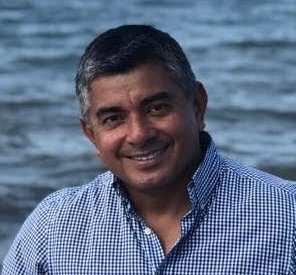
Marcelo Hidalgo
Chief Operations Officer
Fishing Industry Assoc. of Papua New Guinea
Industry (Vessel Level)

Anissa Yusha Amalia
Chargée de programme
Indonesia Ocean Justice Initiative
National NGO (Indonesia)

Jeremia Humolong Prasetya
Gestionnaire de programme
Indonesia Ocean Justice Initiative
National NGO (Indonesia)

Chavi Keeney Nana
Director, Equitable Global Supply Chains
Interfaith Center on Corporate Responsibility
International NGO
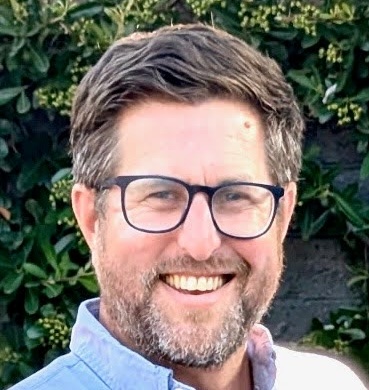
David McKean
Directeur exécutif
International Corporate Accountability Roundtable
International NGO

Jim Liu
Fishery Compliance Manager
Lungsoon
Industry (Vessel Level)

Warren Chen
Fishery Compliance Manager
Lungsoon
Industry (Vessel Level)
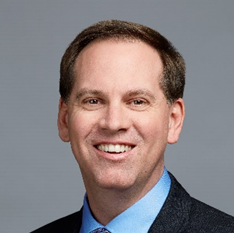
Jack Scott
VP, Sustainable Sourcing
Nestle Purina
Industry (End Buyer)

Gabrielle Lout
Social Responsibility Senior Manager
Résultats de l'océan
International NGO

Renée Perry
VP, Corporate Social Responsibility & Environmental Social Governance
Oddisea SuperFrozen
Industry (Supply Chain)

Liz Selig
Directeur général
Stanford Center for Ocean Solutions
International NGO

Sammie Ho Dumas
Senior Director, Social Impact –
Sustainability (Global Fisheries)
Union thaïlandaise
Industry (Supply Chain)

Elizabeth Fay
Senior Director, Policy Advocacy
Verité
International NGO

Bernie Baskin
Director, Responsible Sourcing
Walmart
Industry (Retailer)
The Ethical Tuna Collaboration is funded by Walmart. Funding does not confer governance, veto, or preferential rights. CASS, as convenor, maintains independent discretion over program administration and process, and the working group operates under documented conflict-of-interest and recusal procedures.
Get Updates on the Ethical Tuna Collaboration
Interested in receiving updates about the Ethical Tuna Collaboration or sharing your expertise to help support the project design?
Antitrust Compliance
This project will be conducted in accordance with applicable antitrust and competition laws. Nothing in this project shall be construed to require or encourage coordination on pricing, supplier selection, or other competitively sensitive matters.